Skip to content
RoadSense Driver

Road conditions

Common road and surface conditions

How everyday surfaces and hazards change tire contact, stopping distance, and the habits that help.

RoadSense Driver content is for general informational purposes only and does not constitute insurance advice, legal advice, or professional driving instruction. RoadSense Driver is not an insurance company, carrier, agent, broker, or marketplace.

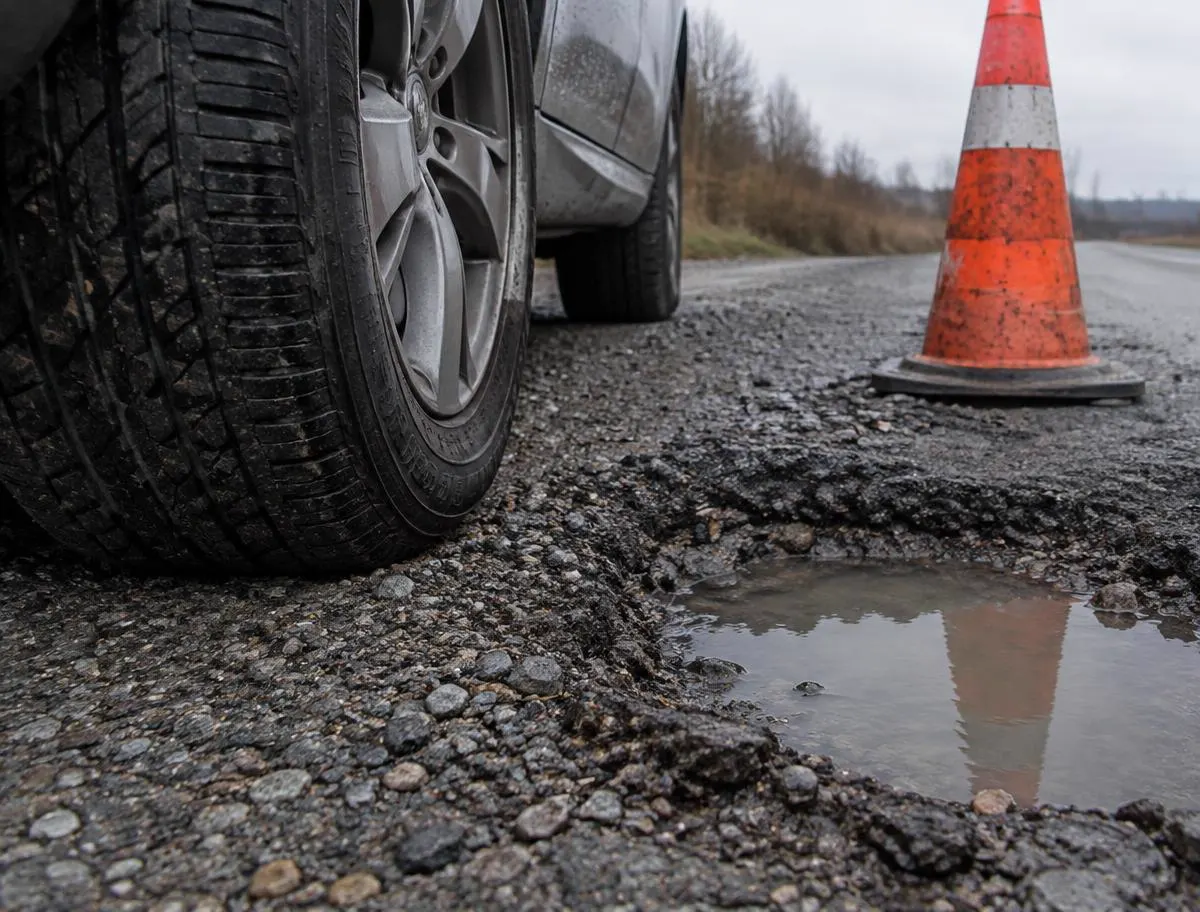
Car tire beside a water-filled pothole and an orange construction cone on a gravel shoulder

Conditions to know

01

Wet roads

Rain reduces the grip between tires and pavement, especially in the first minutes of a storm when oil rises to the surface.

  • Increase following distance to at least four seconds.
  • Brake and steer gently and early.
  • Avoid cruise control on wet pavement.
02

Standing water

Pooled water can lift tires off the road surface and hide what lies underneath it.

  • Slow down before reaching water, not in it.
  • Avoid driving through water of unknown depth.
  • Test brakes lightly after passing through.
03

Gravel and loose surfaces

Loose material shifts under the tires and lengthens stopping distances.

  • Reduce speed before the transition from pavement.
  • Keep steering inputs smooth and small.
  • Leave extra space to limit thrown stones.
04

Potholes

Potholes are most common after freeze and thaw cycles and heavy rain, and can affect tires, wheels, and alignment.

  • Scan well ahead so you can avoid them safely.
  • Release the brake just before impact if one cannot be avoided.
  • Check tire pressure and look for sidewall bulges afterward.
05

Construction zones

Lane shifts, uneven pavement, and workers on foot call for lower speeds and full attention.

  • Follow posted work zone speeds.
  • Watch for sudden merges and grooved pavement.
  • Put the phone away before entering the zone.
06

Reduced visibility

Fog, heavy rain, glare, and dusk make it harder to see and to be seen.

  • Use low beams in fog and rain.
  • Keep the windshield clean inside and out.
  • Slow to a speed that lets you stop within the distance you can see.
07

Road debris

Tire fragments, cargo, and branches can appear with little warning.

  • Avoid tailgating trucks and loaded vehicles.
  • Do not swerve sharply; check mirrors before changing lanes.
  • Report hazards to local authorities when safe to do so.

Want optional reminders like these by text? You choose which categories to receive.

Get Road Awareness Tips